How to Launch a Solana Token and Spot Rug Pull Risks Before You Buy
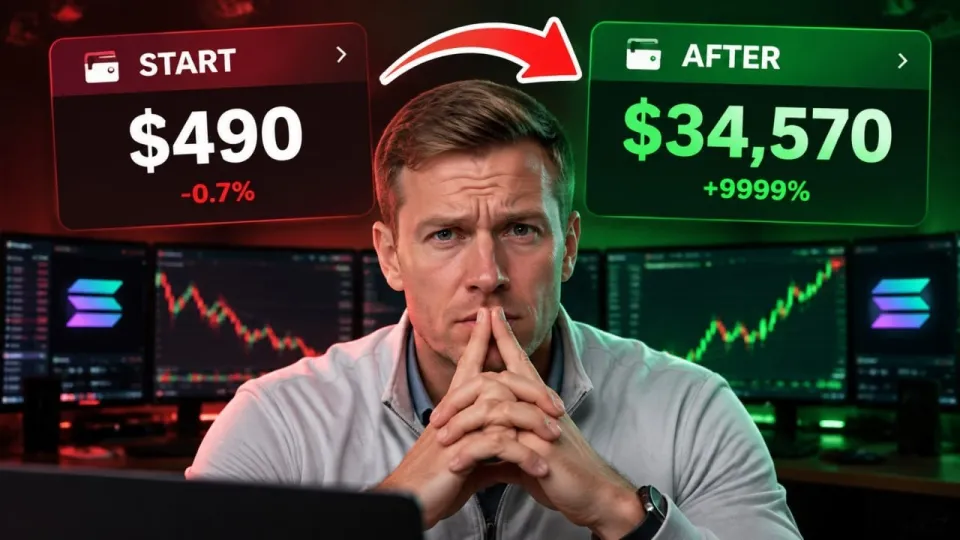
Video: Rug Pull Strategy: Solana Token Launch & Rug Pull Risks
· based on the channel TU ANDROID. COM
Key takeaways
- A Solana token launch means creating an SPL token, adding initial liquidity to a pool, and letting traders buy it — usually within minutes of the mint.
- Rug pulls on Solana typically come from unlocked liquidity, active mint and freeze authorities, and dev wallets holding most of the supply.
- Standard SPL tokens have no transfer tax, so a token that charges extra fees on buys or sells is using custom logic that needs review.
- Checking mint authority, freeze authority, LP lock status, and holder distribution takes minutes and eliminates most obvious rug pulls.
- Bots snipe new Solana pools in the first block, so retail buyers rarely get the earliest price and often become exit liquidity.
Launching a Solana token means minting an SPL token, creating a liquidity pool, and seeding it with SOL so that traders can buy — and the same mechanics that make a launch fast and cheap are what make a rug pull possible. If you want to launch a token, the practical path is to mint the token, add liquidity, lock that liquidity, and revoke the mint and freeze authorities; if you want to buy a new Solana token safely, reverse the same checklist and verify each item on-chain. A launch platform such as funrug.cc exists precisely to compress those steps into a few clicks, which is why the risks are worth understanding before you touch either side of the trade.
What a Solana token launch actually involves
A Solana token launch is the process of creating an SPL token and giving it a market, and it takes minutes because Solana’s fees are fractions of a cent and token creation requires no smart contract of your own. The standard flow looks like this:
- Mint the token. Every SPL token is created by a mint account, which defines the supply, the number of decimals, and who is allowed to mint more.
- Create metadata. Name, ticker, logo, and socials are attached so the token appears correctly in wallets and charting tools.
- Open a liquidity pool. On most launch venues the token is paired against SOL or USDC in an automated market maker pool.
- Seed the pool. The creator deposits the token supply and the paired asset, and the ratio of those two deposits sets the opening price.
- Hand over to the market. From the moment the pool is live, anyone can buy or sell, and price is decided entirely by the pool’s balance.
Two details matter more than everything else. First, whoever controls the mint authority can create unlimited new supply and dilute every holder to zero. Second, whoever controls the liquidity in the pool can withdraw it, which removes the only thing backing the token’s price. A launch is not inherently a scam, but it is an unregulated market opening with no circuit breakers.
How rug pulls are executed on Solana
A rug pull on Solana is the deliberate removal of the value backing a token, and it is usually executed through the liquidity pool rather than through a hidden exploit. The most common pattern is simple: the creator seeds a pool with a small amount of SOL and a large supply of tokens, promotes the token, lets buyers push the price up, then withdraws the SOL side of the pool. The token keeps existing, but there is nothing left to sell into, so the chart collapses and holders are left with an asset worth approximately zero.
A second pattern uses the mint authority. Instead of draining the pool, the creator mints a large new supply and sells it into the existing liquidity, which craters the price while the creator walks away with the SOL that buyers deposited. A third pattern relies on the freeze authority, which lets the creator freeze holder accounts so they cannot sell while the creator exits.
A fourth, quieter pattern is distribution-based: the creator holds most of the supply across many wallets and sells in tranches into early hype, so the chart looks like normal profit-taking rather than a single dramatic collapse. On Solana this is often paired with sniper bots that buy in the first block, so the visible early buyers may not be organic demand at all.
Warning signs that separate a launch from a trap
Checking a new Solana token against a short list of on-chain facts is the most reliable defence, and every item below can be verified in a block explorer before you buy. Look for these red flags:
- Mint authority still active. If the creator can mint more supply at will, your share of the token is not fixed.
- Freeze authority still active. A creator who can freeze your account can stop you from selling.
- Liquidity not locked or burned. If the LP tokens sit in the creator’s wallet, the SOL backing the price can be withdrawn at any moment.
- One wallet holding a large share. A single address with more than a small percentage of supply can crash the price whenever it chooses.
- Brand-new wallets funded from the same source. This usually means one person spread the supply across many addresses to look decentralized.
- No verifiable social presence. Anonymous teams are not automatically fraudulent, but a launch with only a Telegram group and paid promotions has no reputation to lose.
- Aggressive urgency. Countdowns, “last chance” messaging, and paid influencer calls are marketing designed to compress the time you have to check the contract.
The absence of these flags is not a guarantee of safety, but their presence is a strong reason to walk away. Hype, a polished website, and a large follower count prove nothing about who controls the token.
Why bots dominate the first minutes of a launch
Automated bots are the first buyers in nearly every Solana launch, and understanding their role explains why early charts are so misleading. Sniper bots monitor the blockchain for new pool creation and submit buy transactions in the same block the pool opens, often paying priority fees to jump the queue. Their goal is not to hold the token but to sell into the first wave of retail demand minutes later.
For a buyer arriving after the initial spike, this means the price you see is already the result of bots front-running you. For a creator, it means the early price action says nothing about genuine interest — it is a mechanical reaction to a new pool. This is why a token that looks like it is “up 400%” shortly after launch is often just a thin pool with very little real money in it, and why selling a meaningful position in such a pool can move the price far more than the chart suggests.
What buyers most often get wrong
Beginners tend to focus on the wrong signals, and the recurring mistakes are consistent across new Solana launches. The most common is trusting the chart and the community instead of the contract: a rising price and an active chat feel like validation, but neither tells you whether the creator can mint, freeze, or withdraw. The second is assuming a locked liquidity pool is sufficient — a lock with a short duration, or one held by a third party with an unlock key, is much weaker than burned LP tokens.
The third mistake is ignoring holder distribution. A token where the top ten wallets control most of the supply has the same practical risk as a token with an active mint authority, because those wallets can exit into your buy. The fourth is treating a small position size as a substitute for research: the losses from a rug pull are total, not proportional, so a “small bet” that goes to zero is still a full loss on that capital. The fifth is relying on a single tool or a single influencer’s word rather than verifying the token’s authorities and pool directly.
A practical checklist before you interact with a new token
A short verification routine removes most of the risk, and it takes less time than reading a project’s marketing thread. Before buying any new Solana token, confirm that the mint authority is revoked, the freeze authority is revoked, the liquidity pool tokens are burned or locked with a credible duration, and no single wallet holds a dominant share of the supply. Then check whether the pool actually contains meaningful SOL — a pool with a few dollars of liquidity cannot support the price the chart shows. Finally, decide your exit before you enter, because in a thin market the ability to sell is not guaranteed.
If you are on the launch side rather than the buying side, the same list becomes your credibility checklist: revoke the authorities, burn the LP, publish the contract address, and accept that a project which cannot survive that transparency is not worth launching. The mechanics of Solana token creation are neutral; the intent behind them is not.
Where to start and what to remember
The mechanics of a Solana token launch are simple enough that anyone can create a token in minutes, and that same simplicity is what makes rug pulls so common. The protection is not intuition or community sentiment but a handful of on-chain checks: revoked mint and freeze authorities, burned or properly locked liquidity, and a supply distribution that is not concentrated in a few wallets. Treat every new token as unverified until you have confirmed those points yourself, and treat the first minutes of trading as a bots-versus-bots arena rather than an opportunity. The channel TU ANDROID. COM breaks down these launch mechanics and rug pull patterns in its walkthrough, which is a useful companion to the checklist above. If you want to see how the launch side is packaged into a single interface, you can explore the platform at funrug.cc — and apply the same scrutiny there that you would apply to any token you buy.
Source: Rug Pull Strategy: Solana Token Launch & Rug Pull Risks · Markdown version
Questions & answers
How long does it take to launch a token on Solana?
The technical steps — minting an SPL token, adding metadata, and opening a liquidity pool — can be completed in minutes, and the transaction fees are a fraction of a cent. What takes longer is deciding the supply, the initial price set by the pool ratio, and whether you will revoke the mint and freeze authorities.
Is a locked liquidity pool enough to make a token safe?
Not on its own. A lock is only as strong as its duration and who controls the unlock, and a short lock or a lock held by the creator still leaves the pool vulnerable later. Burned LP tokens, where the pool ownership is permanently destroyed, are a stronger signal than a time-limited lock.
Why do new Solana tokens spike and then crash within minutes?
Sniper bots buy in the same block the pool opens and sell into the first wave of retail demand, so the initial spike often reflects bot activity rather than real interest. In a thin pool, even modest selling can move the price sharply, which is why early charts are a poor guide to a token's actual backing.
What is the single most important check before buying a new meme coin?
Verify whether the mint authority is still active. If the creator can mint unlimited new supply, every holder's share can be diluted to near zero at any time, regardless of how the chart looks or how large the community appears.